

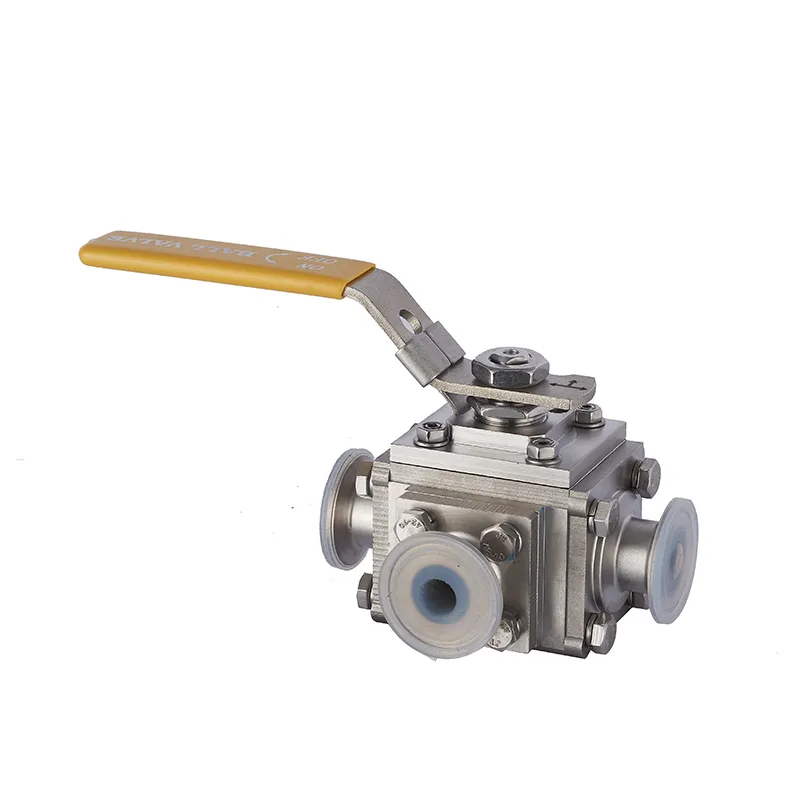
Troubleshooting Alignment Issues with Flange Valves
Introduction
Flange valves are critical components in piping systems, used to control the flow of liquids, gases, and slurries. Proper alignment of flange valves is essential to ensure leak-free operation, structural integrity, and long-term reliability. Misalignment can lead to gasket failure, bolt stress, and even catastrophic system failure.
This guide provides a comprehensive approach to troubleshooting alignment issues with flange valves, covering common causes, detection methods, corrective actions, and preventive measures.
---
1. Common Causes of Flange Valve Misalignment
Several factors can contribute to flange valve misalignment, including:
1.1. Poor Installation Practices
- Incorrect bolt tightening sequence or torque values.
- Uneven gasket placement or improper seating.
- Misaligned pipe flanges before valve installation.
1.2. Thermal Expansion and Contraction
- Temperature fluctuations cause pipes to expand or contract, leading to flange misalignment.
- Lack of expansion joints or flexible connections in high-temperature applications.
1.3. Pipe Stress and Vibration
- Excessive mechanical stress from pumps, compressors, or other rotating equipment.
- Inadequate pipe supports or hangers leading to sagging or movement.
1.4. Flange Face Irregularities
- Warped or damaged flange faces due to improper machining or handling.
- Surface imperfections (gouges, scratches) preventing proper sealing.
1.5. Incorrect Flange Specifications
- Mismatched flange ratings (e.g., ANSI 150 paired with ANSI 300).
- Different flange face types (e.g., raised face vs. flat face).
1.6. External Forces
- Ground settlement or structural movement affecting piping systems.
- Improper handling during transportation or installation.
---
2. Detecting Flange Valve Misalignment
Early detection of misalignment prevents leaks and system failures. Common detection methods include:
2.1. Visual Inspection
- Check for gaps between flange faces.
- Look for uneven bolt loading (some bolts may appear looser than others).
- Inspect for signs of gasket extrusion or leakage.
2.2. Straightedge and Feeler Gauge Test
- Place a straightedge across the flange faces to check for parallelism.
- Use a feeler gauge to measure gaps between the straightedge and flange.
2.3. Laser Alignment Tools
- Laser alignment systems provide precise measurements of flange parallelism and offset.
- Useful for large-diameter or high-pressure flanges.
2.4. Ultrasonic Thickness Testing
- Detects flange warping or thinning due to corrosion or erosion.
2.5. Bolt Load Measurement
- Use ultrasonic bolt tension meters to ensure uniform bolt loading.
- Uneven bolt stress indicates misalignment.
---
3. Corrective Actions for Flange Misalignment
Once misalignment is detected, corrective steps must be taken to restore proper alignment.
3.1. Loosening and Re-Tightening Bolts
- Follow the correct bolt tightening sequence (star pattern) to ensure even pressure.
- Use a torque wrench to apply manufacturer-recommended torque values.
3.2. Shim Adjustment
- Insert shims between the flange and pipe to correct angular misalignment.
- Ensure shims are corrosion-resistant and properly sized.
3.3. Flange Resurfacing
- If flange faces are warped, machining or grinding may be required.
- For severe damage, replace the flange entirely.
3.4. Pipe Re-Alignment
- Adjust pipe supports or hangers to eliminate stress.
- Use expansion joints or flexible couplings where thermal movement is a concern.
3.5. Gasket Replacement
- Replace damaged or improperly seated gaskets.
- Ensure the gasket material is compatible with the process fluid.
3.6. Use of Alignment Pins
- Temporary alignment pins can help position flanges correctly before bolting.
---
4. Preventive Measures to Avoid Misalignment
Preventing misalignment is more efficient than correcting it. Key preventive strategies include:
4.1. Proper Installation Procedures
- Follow industry standards (ASME B16.5, API 6D) for flange assembly.
- Use calibrated torque wrenches and follow the correct tightening sequence.
4.2. Regular Maintenance and Inspection
- Schedule periodic flange inspections for signs of misalignment or leakage.
- Monitor bolt tension and re-torque if necessary.
4.3. Proper Pipe Support and Bracing
- Ensure adequate pipe supports to prevent sagging or movement.
- Use vibration dampeners near rotating equipment.
4.4. Thermal Expansion Management
- Install expansion loops or bellows in high-temperature systems.
- Allow for thermal movement in piping design.
4.5. Flange Protection
- Protect flanges from mechanical damage during handling and installation.
- Use flange guards in corrosive environments.
4.6. Training and Documentation
- Train personnel on proper flange installation techniques.
- Maintain records of torque values and alignment checks.
---
5. Case Study: Resolving Flange Misalignment in a High-Pressure System
Problem Statement
A high-pressure steam pipeline experienced frequent leaks at a flange connection. Initial inspections revealed uneven bolt loading and gasket extrusion.
Diagnosis
- Laser alignment confirmed a 0.5 mm offset between flanges.
- Bolt tension measurements showed significant variation (20% difference between bolts).
- Thermal imaging indicated localized heating due to poor contact.
Solution
1. Loosened and re-torqued bolts in a star pattern to ensure even load distribution.
2. Replaced the gasket with a spiral-wound type for better sealing.
3. Installed an expansion joint to accommodate thermal movement.
4. Conducted a post-repair alignment check using laser measurement.
Result
- Leakage stopped, and the system operated smoothly under full pressure.
- Follow-up inspections confirmed no further misalignment.
---
6. Conclusion
Flange valve misalignment is a common issue that can lead to leaks, equipment damage, and safety hazards. By understanding the root causes, implementing proper detection methods, and applying corrective actions, engineers and maintenance teams can ensure reliable flange performance.
Preventive measures, such as proper installation, regular inspections, and thermal management, are crucial for long-term alignment integrity. Investing in alignment tools and training personnel will minimize downtime and enhance system reliability.
By following these guidelines, industries can maintain efficient and leak-free flange valve operations in various applications.
Этот веб-сайт использует файлы cookie, чтобы обеспечить вам максимально эффективное использование нашего веб-сайта.
 English
 हिन्दी
 Tiếng Việt
 українська
 Search



 телефон
Комментарий
(0)